
IPTV Quebec in 2026: Is IPTV Legal in Québec (and What Are the Real Risks)?
Quick Answer: IPTV itself is completely legal in Québec. But many cheap “IPTV Quebec” services you see online are actually illegal. The tech isn’t the issue. What matters is if your provider has the legal rights to show those channels.
Why Everyone in Québec Is Talking About IPTV
Open Facebook and you’ll see ads everywhere: “tous les canaux pour 5$ par mois!” Check Kijiji and there are dozens of posts about “IPTV Québec – forfaits illimités.” IPTV has blown up across Québec, and it makes sense why: French channels, low prices, and you can watch on your phone or TV.
But here’s what nobody mentions at the hockey game: a lot of these “IPTV Quebec” deals are actually illegal. The technology is fine—Bell and Vidéotron use it too. Many sellers stream without permission. This puts both the seller and the customer at risk.
I’m going to explain what’s legal, what’s risky, and how to pick an IPTV service that won’t disappear overnight or land you with a fine.
Direct Answer – Is IPTV Legal in Québec?
Short answer: It depends on your provider.
IPTV as technology is 100% legal in Québec. Your cable company uses it. But whether YOUR specific IPTV service is legal depends on one thing: Does the company have permission to show you those channels?
Legal IPTV = Provider has licenses and permission
Illegal IPTV = Provider is stealing signals and reselling them
If someone’s offering you “40,000 channels for $5/month,” that’s almost always illegal.
The Laws That Actually Apply in Québec
There’s no special IPTV law just for Québec. Instead, regular TV and copyright laws apply here just like everywhere else in Canada.
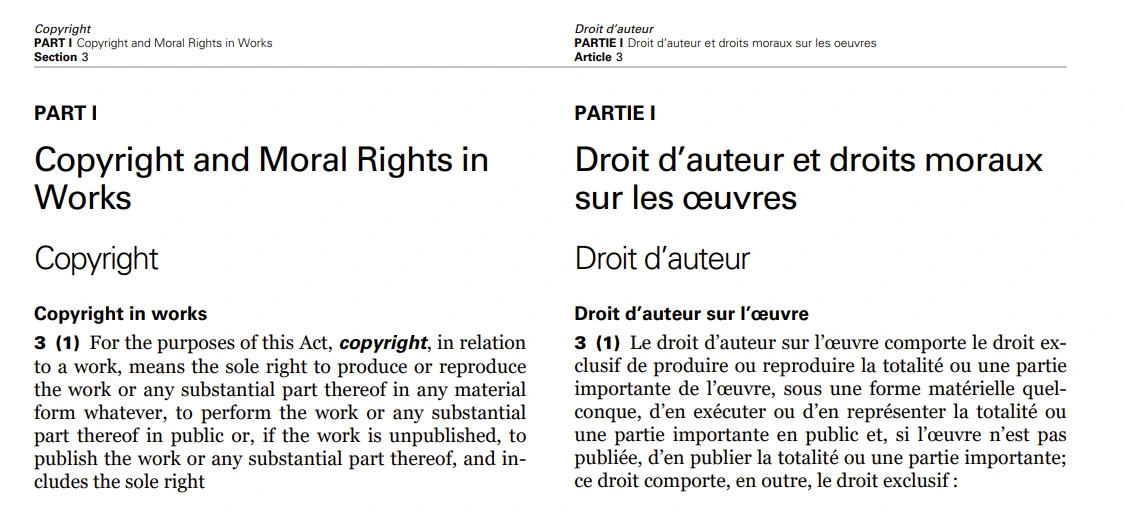
Canadian Copyright Act: This is the big one. Showing TV channels, movies, or sports without permission from the owner is illegal. Doesn’t matter if you’re in Montréal or Toronto—stealing copyrighted content is against the law.
Broadcasting Act and CRTC Rules: The CRTC (Canadian Radio-television and Telecommunications Commission) decides who can show TV in Canada. Real IPTV companies need to follow their rules or have special permission.
Québec Consumer Protection: While this doesn’t create separate IPTV rules, it matters when sketchy sellers take your money and disappear. But if you paid for an illegal service, consumer protection can’t really help you.
The bottom line? Québec follows the same rules as the rest of Canada: IPTV is legal when licensed, illegal when it’s pirated.
Legal vs Illegal IPTV: What’s the Difference?
Let me make this really simple.
Legal IPTV looks like this:
- Clear company name and contact information
- Realistic prices (usually $10-25/month for lots of channels)
- Real customer support you can actually reach
- Transparent about what they offer
Illegal IPTV looks like this:
- Anonymous sellers (uses Telegram)
- Crazy-low prices (“everything for $5/month!”)
- Promises like “100,000 channels” or “all PPV events free”
- Only accepts weird payment (crypto and gift cards)
- No refund policy or terms of service
According to reporting from CBC News on pirate IPTV services, many of the ultra-cheap packages advertised in Canada are not authorized. These operations are reselling pirated streams, which is why they can undercut legitimate TV providers.
Related Questions to Cover
Here are the big questions Québec consumers keep asking:
- Is an IPTV subscription legal if I pay for it?
- Can IPTV be detected by my internet provider?
- How do people try to avoid detection—and does it work?
- Can you actually get fined for using illegal IPTV in Québec?
Let’s answer each one.
Is an IPTV Subscription Legal in Québec If You Pay for It?
Why “I Paid for It” Doesn’t Make It Legal
This is the biggest myth about IPTV. People think: “I’m paying $20 a month, so it must be legal, right?”
Wrong.
Legality depends on whether the PROVIDER has permission to show you the content. You paying doesn’t change that. If they’re stealing signals and reselling them, it’s still illegal—even if you paid cash.
Think of it this way: if someone sold you a “discounted” car but it was stolen, your payment doesn’t make that car legal. Same with IPTV.
How to Check if Your IPTV Provider in Québec Is Legit
Here’s a simple checklist to see if your provider is real or sketchy:
✓ Real company info: Do they have a business name, address, and phone number? Or just a username?
✓ Normal prices: Legal TV costs money. If it’s $5/month for “everything,” something’s wrong.
✓ Realistic channel lineup: They focus on channels they actually have rights to, not “100,000 international channels.”
✓ Clear terms: Real companies have terms of service and privacy policies.
✓ Normal payment: They take credit cards or PayPal, not only crypto or gift cards.
✓ Real customer support: You can call or email them and get help.
✓ Apps in official stores: Their apps are in Google Play or App Store, not just sketchy download links.
If your provider fails most of these checks, you’re using an illegal service.
Can IPTV Be Detected – And By Whom?
What Your Internet Provider Can See
Let’s talk about what your ISP (like Vidéotron, Bell, or Telus) can actually see.
They can see how much internet you use, what servers you connect to, and patterns in your activity. While they can’t see exactly what show you’re watching, they can often tell when you’re using IPTV.
More importantly, police and TV companies have gotten really good at tracking down illegal IPTV providers.
Real example: In February 2024, the Sûreté du Québec raided major IPTV operations called Arubox TV and Stocker IPTV. They arrested at least five people. Police said these services made about $2 million per year by stealing TV signals from Bell, Rogers, and Vidéotron.
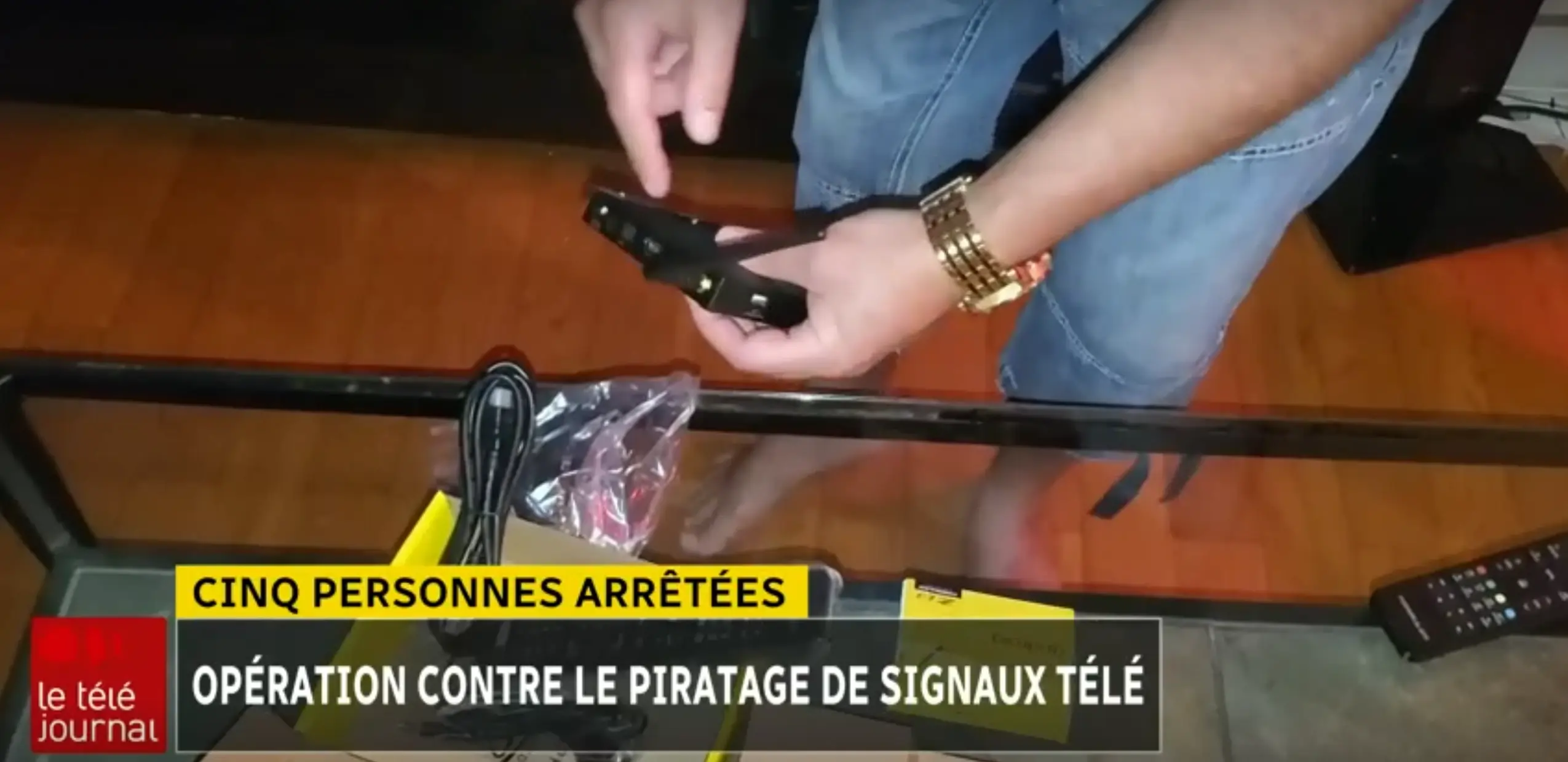
The alleged ringleader, Éric Grenier, was later arrested in May 2025 after avoiding police for over a year. According to TorrentFreak’s reporting, he faces ten charges including fraud, theft, conspiracy, and money laundering.
Does Using a VPN Make You “Invisible”?
Lots of people think VPNs make them safe when using sketchy IPTV. Let’s clear this up: VPNs don’t make illegal stuff legal.
Here’s what VPNs actually do:
- Hide some of your activity from your ISP
- Route your connection through different servers
- Encrypt your data
Here’s what VPNs DON’T do:
- Make copyright infringement legal
- Guarantee total anonymity
Instead of asking “how do I hide,” ask yourself: “why am I using a service I need to hide?” The better answer is to use legal IPTV so you don’t need to worry.
Can You Get Fined for Illegal Streaming or Pirate IPTV in Québec?
Real Cases from Québec and Canada
Yes, you can face real consequences. Let’s look at what’s actually happened.
Arubox TV and Stocker IPTV (Québec, 2024-2025): The Sûreté du Québec conducted raids across many cities including Gatineau, Longueuil, Saint-Eustache, and Brownsburg-Chatham. These illegal services offered over 3,500 pirated channels for about $25/month and served more than 7,000 customers in Québec alone.
Eight people now face serious charges. The alleged leader, Éric Grenier, faces ten charges including fraud, conspiracy, theft, and money laundering. According to Help Net Security’s reporting on illegal streaming, this case shows how authorities are getting more aggressive about tracking both operators and users.
While police said customers aren’t the main target, they did tell subscribers to throw away their illegal boxes and stop using the services immediately.
What could happen to users:
- Copyright notices: Your ISP might forward you warnings from TV companies
- Service shutdowns: Lose your subscription with no refund when they get raided
- Civil lawsuits: Rights holders can sue for damages (though this is rare for regular users so far)
- Fines in severe cases: While uncommon in Canada currently, some countries are now fining users thousands of dollars
Everyday Risks Most People Don’t Think About
Forget legal trouble for a second. Here are the practical problems with illegal IPTV:
Services disappear overnight: Your $200 yearly subscription? Gone when they get shut down. No refunds.
Payment fraud: Many people report unauthorized charges after giving payment info to sketchy IPTV sellers. Some have had their credit card details stolen and sold.
Malware and viruses: Those apps you have to “sideload” from random download links? They often contain malware, spyware, or worse. Your “cheap TV” could infect your phone or computer.
Terrible reliability: Constant buffering, channels going offline during the big game, no support when things break. You get what you pay for.
Privacy violations: These services often collect your data and sell it to whoever will pay.
According to a CBC investigation into illegal IPTV, one Halifax man who ran an illegal service called BeastTV was ordered to pay $7.1 million to entertainment companies. The case showed how these operations handle customer data carelessly and expose users to multiple risks.
How to Choose a Safe, Legal IPTV Option in Québec
Checklist for a Legit IPTV Quebec Provider
Let’s make this super clear. Here’s exactly what to look for:
| What to Check | What You Want to See |
|---|---|
| Company info | Real business name, phone number |
| Legal stuff | Mentions of licensing, CRTC compliance, or partnerships with broadcasters |
| Price | $10-30/month for good channel packages (not $5/month for everything) |
| Québec channels | Proper local channels like TVA, Radio-Canada, RDS |
| Payment | Credit cards, PayPal, trusted processors |
| Apps | Available in official app stores when possible |
| Support | Real customer service you can contact |
| Terms | Clear terms of service and privacy policy |
Good IPTV providers in Québec operate professionally and don’t promise impossible things.
If you want a transparent, legal IPTV service, check out our recommended IPTV provider.
For a detailed comparison of many services, see our Best IPTV Service Providers 2026: I Tested 12 Services So You Don’t Have To guide.
Red Flags for Illegal IPTV
Run away if you see these warning signs:
- “Lifetime access” for one payment – Nothing lasts forever in streaming
- “100,000 channels plus all PPV” for under $5/month – Mathematically impossible for legal services
- Payment only via crypto, gift cards, or sketchy methods – Real businesses use normal payment
- No company name, just a username – Criminals hide their identity
- Terrible website with spelling errors – Scammers don’t invest in professional sites
- Sold on Kijiji, Facebook Marketplace, or Telegram groups – Real companies have real websites
Practical Tips for Québec Viewers Who Want to Stay Safe
Safer Ways to Watch What You Want
You don’t have to choose between cable prices and legal risk. Here are smart options:
Use licensed IPTV services: Bell Fibe TV, Rogers Ignite, and other legitimate providers use IPTV technology legally. Yes, they cost more—but they actually work and won’t get you in trouble.
Combine legal streaming apps: Netflix, Disney+, Crave, Amazon Prime Video, and DAZN cover most entertainment needs. It adds up, but it’s legal and reliable.
Use official broadcaster apps: TVA+, ICI TOU.TV, and other Québec channels have free or cheap apps with lots of content.
Legal sports streaming: Instead of risking pirated sports streams, use legitimate sports services with real licensing deals.
For more about IPTV legality across Canada (including how federal laws apply to Québec), read our complete guide: Is IPTV Legal in Canada? What You Need to Know in 2026.
What to Do If You’re Already Using a Sketchy Service
No judgment. Lots of Québec folks signed up without knowing it was illegal. Here’s what to do:
1. Cancel right now: Stop using it and cancel any recurring payments.
2. Delete the apps: Uninstall any IPTV apps you sideloaded, especially from unknown sources.
3. Scan for viruses: Run antivirus software on all your devices. These apps sometimes contain malware.
4. Change passwords: If you used the same password for the IPTV service and other accounts, change them now.
5. Watch your bank accounts: Check for unauthorized charges, especially if you gave payment info to the provider.
6. Switch to legal IPTV: Our recommended IPTV service offers a safer option with clear licensing and reasonable pricing.
My Real Experience with IPTV in Québec
A few years back, I tried one of those “too good to be true” IPTV deals going around Montréal. A friend told me about it: every channel you could imagine—TVA, RDS, TSN, all the American sports networks, French movie channels, plus thousands of international options—for $5 per month.
I was tired of Vidéotron charging me crazy prices for channels I never watched. This seemed perfect.
I paid via email transfer to some random Gmail address (first mistake). Setup meant downloading an APK file from Dropbox (second mistake). But hey, it worked! For about three weeks, everything was great. Every channel loaded, picture looked good, and I felt like I beat the system.
Then things went bad. Buffering got worse and worse, especially during Habs games when I needed it most. Channels randomly switched to completely different content—RDS would suddenly become a Chinese shopping network. Customer “support” was a Telegram group where the admin just posted “server problems, back soon” messages.
The final straw? I noticed weird charges on my credit card. Small amounts like $5 here, $8 there, from companies I’d never heard of. Took me a while to connect it to the IPTV service, but eventually I realized my payment info had been compromised or sold.
I canceled everything, reversed the fraudulent charges through my bank, factory reset my Android box, and started over. The whole experience taught me that “cheap” isn’t really cheap when you factor in the stress, security risks, and actual financial fraud.
That’s when I got serious about finding legitimate IPTV in Québec. I made a checklist: real information, normal pricing, legitimate payments, and actual Canadian user reviews. I tested services that met these standards and checked their licensing, then documented what I found in a full IPTV Canada reviews 2026 breakdown.
Now I use a legal IPTV service that costs about $20/month—yes, more than the pirate option—but it actually works reliably, has real customer support, no malware risks, and zero legal worries. The peace of mind alone is worth the extra $35/month. If you want to see how that kind of switch would look for you, you can use an IPTV calculator: plug in your current cable or sketchy IPTV costs and it will show exactly how much you’d save with a serious provider.
This experience is why I’m writing this guide. You deserve better than constant buffering, payment fraud, and legal risk—and good options exist.
Key Takeaways
Here’s everything you need to remember:
- IPTV technology is 100% legal in Québec. The question is whether YOUR provider has permission to show the channels they offer.
- Ultra-cheap “IPTV Quebec” packages on Facebook, Kijiji, and Telegram are usually illegal. They come with legal risks, security problems, payment fraud, and terrible reliability.
- Paying for a subscription doesn’t make illegal services legal. Legality depends on whether the provider has the rights to distribute content, not whether you paid.
- Enforcement is real in Québec. The Sûreté du Québec has raided major IPTV operations, arrested operators.
- VPNs don’t make illegal activity legal. They might hide some of your internet activity, but they won’t protect you if authorities investigate the service and find your information.
- You CAN watch everything you want legally and affordably. Choose properly licensed IPTV providers, combine legitimate streaming platforms, and use official broadcaster apps.
- Audit your current IPTV subscription. Use the checklist in this article. If you see many red flags, switch to a safer option now.
The goal isn’t to scare you—IPTV is great technology and the future of TV. The goal is to help you enjoy it safely, legally, and reliably. Québec consumers deserve streaming that works without legal risk, security threats, or payment fraud.
Make the smart choice. Choose legal. Choose safe. Choose IPTV services that respect both the law and your peace of mind.
If you’ve made it this far and you’re tired of overpriced cable or shady services, the obvious next step is to pick an IPTV provider that’s actually made for Canadians. On our IPTV Canada page, you can quickly compare plans, check what channels and features you get, and start your subscription in just a few minutes.
Short answer? Yes, IPTV is completely legal in Canada. The catch? Your provider needs to actually own the rights to what they’re streaming. The technology itself is fine—it’s the service that matters. Licensed provider? You’re good. Pirate operation? Not so much.